



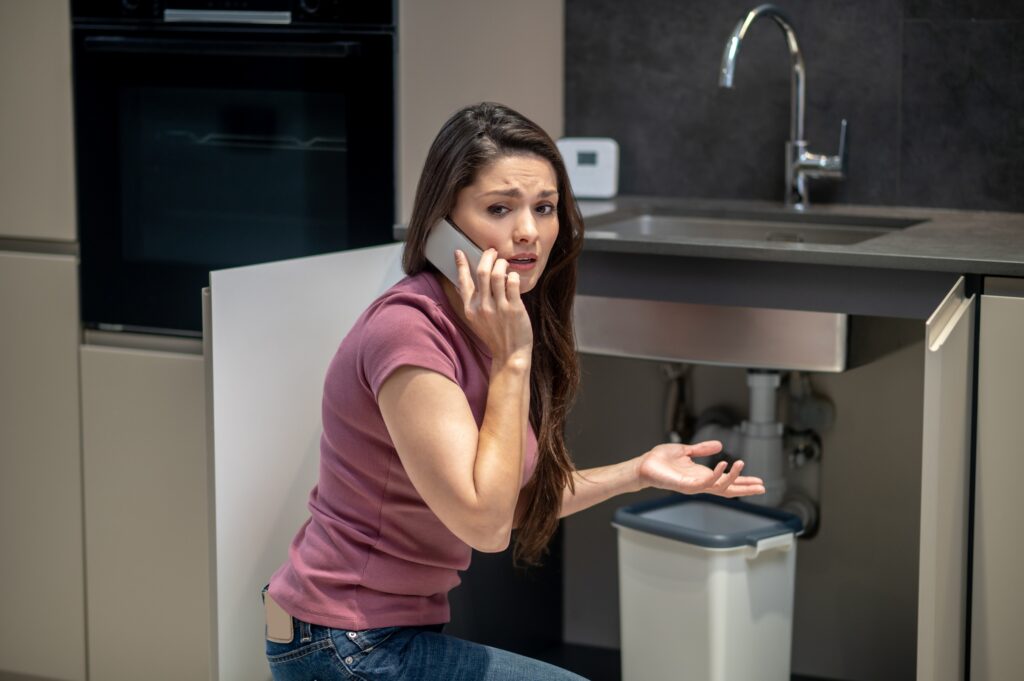
Burst pipes are one of the most stressful plumbing emergencies a homeowner can face. Water damage can spread quickly, flooring can warp, and walls can weaken if the problem is not handled immediately. Ashburton is home to a mix of older houses and modern builds, which means the causes of burst pipes can vary widely.
In this guide, we will explain the common reasons pipes burst in Ashburton homes and how you can reduce the risk of serious damage before help arrives. If you ever experience a sudden rupture, our team can assist with urgent burst pipes repairs to keep your property safe.
Key Takeaways:
- Burst pipes often develop from long term issues such as corrosion, pressure buildup, or soil movement.
- Early signs like moisture, strange noises, or dropping water pressure should never be ignored.
- Preventive care, including insulation and regular inspections, significantly reduces the risk of a rupture.
- Professional help ensures safe repairs and long term protection for your plumbing system.
Understanding Why Pipes Burst
A burst pipe happens when pressure inside the pipe becomes too strong for the pipe material to handle. This pressure may be caused by blockages, corrosion, external force, or temperature changes. Over time, small issues can weaken the pipe wall until it eventually gives way. In many cases, the rupture appears sudden, but the underlying causes usually develop over months or even years.
Understanding these causes is the first step to protecting your home. Some risks are external, such as shifting soil or tree roots. Others come from inside the plumbing system itself, such as corrosion or high water pressure.
High Water Pressure Inside the Plumbing System
Water pressure that is too high places significant strain on pipes, joints, and fittings. While good water pressure is convenient for showers and household use, excessive pressure causes pipes to flex repeatedly. Over time, constant strain weakens the material, making it more likely to burst.
Water hammer is another pressure related issue. It happens when water flow is suddenly stopped or redirected, creating a loud banging noise inside the pipes. These shockwaves can loosen joints and fittings, causing eventual failure.
Signs of high pressure include noisy pipes, leaking taps, or appliances struggling with water flow. A pressure test performed by a licensed plumber can determine whether your system is operating safely.
Corrosion and Ageing Pipe Materials
Many older homes in Ashburton were built with metal pipes that naturally corrode over time. Corrosion weakens the structural integrity of the pipe, gradually thinning the metal until it can no longer hold the pressure inside. This process is accelerated by mineral buildup or acidic water conditions.
Rust, discolouration in the water, or frequent leaks can signal that corrosion is present. In some cases, the corrosion happens internally, making it difficult for homeowners to spot the problem before it becomes severe.
Replacing old or corroded pipes is often the best long term solution. Modern materials such as copper or PVC are far more resistant to wear and provide a safer and more reliable supply line.
Tree Root Intrusion in Underground Pipes
Tree roots are naturally drawn to moisture in the soil. Even the smallest crack in an underground pipe can allow moisture to escape, attracting nearby roots. Once inside the pipe, roots expand and create blockages that restrict the water flow.
As pressure builds behind the blockage, the pipe becomes stressed and may eventually burst. Ashburton has many established trees, which means underground plumbing is often at risk of root intrusion.
Signs include slow drains, gurgling noises, or recurring blockages. If left untreated, roots can cause significant damage that requires pipe replacement or relining.
Soil Movement and Ground Shifting
Soil conditions around your home play a major role in the health of your plumbing system. Heavy rain, drought, construction, or natural settling can cause the soil to expand or contract. This movement places pressure on underground pipes, especially if they are older or made of rigid materials.
Even small shifts can create stress along the pipe line. Over time, repeated pressure can weaken the pipe until it breaks. Foundations, retaining walls, and trenches around the property also influence how the soil behaves.
Homes built on clay soil are particularly vulnerable, as clay expands and contracts more aggressively during seasonal moisture changes.
Freezing and Sudden Temperature Changes
Ashburton generally experiences mild weather, but cold mornings or sharp temperature drops can still pose a threat to exposed pipes. When water inside the pipe freezes, it expands. This expansion increases pressure within the pipe wall, especially in outdoor taps, garden lines, and uninsulated areas such as sheds or underfloor spaces.
Most modern systems include insulation around vulnerable pipes, but older homes may still have unprotected lines. During colder months, it is helpful to check outdoor plumbing and ensure insulation is intact.
Blockages That Create Pressure Buildup
A blockage inside the plumbing system prevents water from flowing freely, creating a pressure imbalance. Grease, soap scum, debris, or foreign objects can accumulate over time. When pressure has nowhere to go, it forces itself against the pipe walls, creating stress that may cause the pipe to burst.
Recurring blockages are a strong indication that something deeper may be wrong. In severe cases, blockages can combine with corrosion or ageing pipes, creating the perfect condition for a rupture. Understanding how blockages form can help you prevent them before they develop into major problems.
Additional tips are available in our article on effective tips to prevent blocked drains, which can help homeowners reduce blockages that may contribute to pipe damage.
Signs Your Pipes May Be at Risk of Bursting
There are several early warning signs that indicate a pipe may be close to failing. Recognising these signs early can prevent serious damage:
- Strange noises such as banging, rattling, or humming
- Damp spots or unexplained moisture on walls, floors, or ceilings
- A noticeable drop in water pressure
- Discoloured or rusty water
- Frequent small leaks or recurring drips
- Persistent blockages or slow drains
These symptoms suggest pressure buildup, hidden corrosion, or external stress. If you recognise any of these signs, taking action sooner rather than later can help you avoid an unexpected rupture. Additional advice for handling urgent problems can be found in our plumbing emergencies guide.
How to Prevent Burst Pipes in Ashburton Homes
Preventing burst pipes requires a combination of routine maintenance and careful monitoring. Here are practical steps homeowners can take:
- Inspect plumbing regularly for moisture or corrosion
- Install a pressure regulator if your home has high water pressure
- Replace old or aging pipes before they fail
- Keep trees trimmed and manage root systems
- Insulate exposed pipes during colder seasons
- Address slow drains and blockages early
- Schedule professional inspections annually
These prevention steps reduce stress on your plumbing system and help identify weak points before they become major issues.
Call Us Immediately for Burst Pipe Repairs
A burst pipe requires immediate attention to limit the damage. Your first step should always be turning off your main water supply. This stops water from continuing to flow through the broken section of pipe. Moving furniture or valuables away from the affected area can help reduce damage. Avoid walking through standing water when electrical appliances are nearby.
Once the area is safe, call a licensed plumber as soon as possible. Our team provides fast and reliable burst pipes repairs in Ashburton and surrounding areas to help minimise damage and restore your plumbing quickly.